
Lessons learned from a pioneering solar powered dairy project in Uganda

Image
Heifer Solar Project
Share
Situation

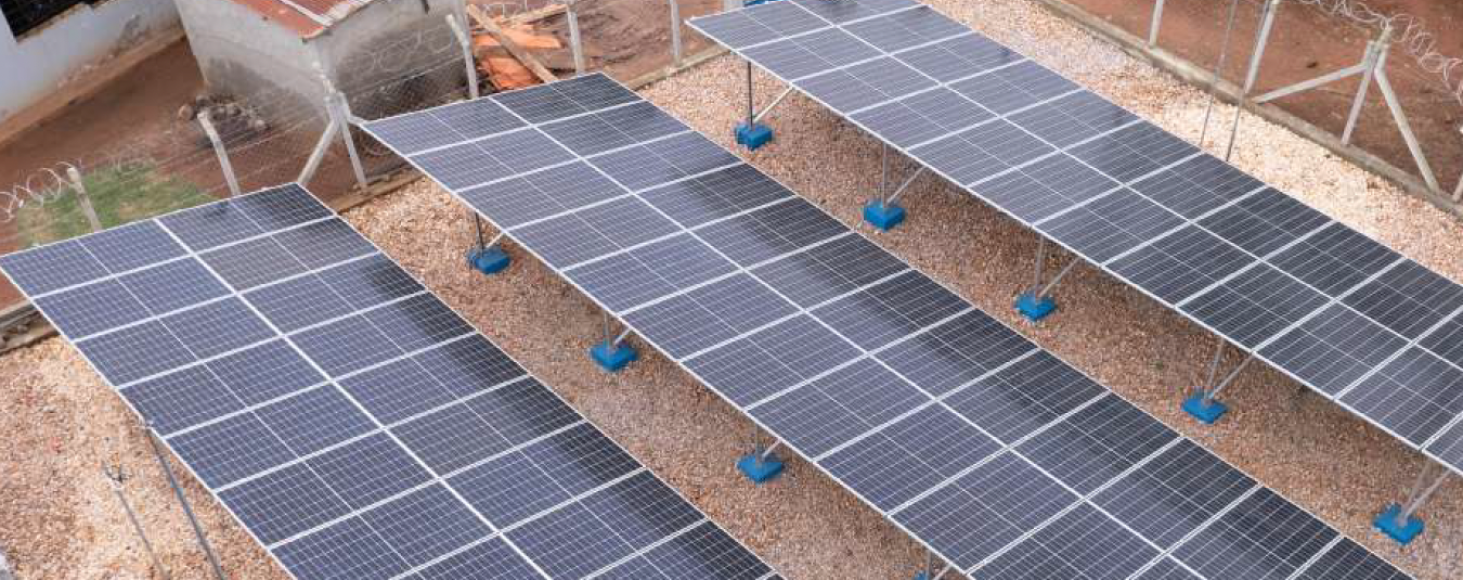
Heifer International required an evaluation of the performance, impact, and viability of pilot solar-powered mini-grid milk chilling projects in Uganda, supported at three milk collection centers (MCCs) in Migina, Kiryanyonza, and Nabitanga, located in the central region of Uganda. The Solar for Sustainable Income in Dairy (SSID) project is a pioneering initiative and a strategic initiative by Heifer International to address the energy challenges dairy farmers in Uganda face. These smallholders, the majority of whom are located in far-flung rural areas, lack access to affordable and reliable electricity. The farmers are organized in dairy cooperatives, which operate milk collection centers. The milk collection centers aggregate and chill milk before transporting and selling it to processing plants located in Kampala and other cities in Uganda. However, high energy costs from running diesel generators and frequent outages due to a sporadic shortage of diesel and maintenance—push up the cost of production and lead to higher milk losses, undermining the profitability of the cooperatives and negatively impacting the incomes of smallholders who are members of the cooperatives.

The SSID project sought to address ongoing challenges related to the scalability and financial viability of using renewable energy technologies in the dairy value chain. It developed, introduced, and demonstrated the impact and economic viability of solar-powered milk chilling systems at milk collection centers. By supporting the execution of pilot projects at three dairy cooperatives, with the involvement of partners who included energy service companies, dairy cooperatives, dairy processors, and financial institutions, the project aimed to demonstrate the positive impact of reliable, affordable, clean energy on the productivity of the dairy value chain and the livelihoods of dairy farmers. It also aimed to develop and trial a viable business model for scaling up the productive use of solar energy in the dairy value chain and potentially other agricultural industries.

Engagement

Heifer engaged ORI to draw out learnings and insights to inform the broader scale-up of productive use of solar energy (PUSE) in the dairy value chain in Uganda, and potentially beyond.

Specifically, ORI:

  • Conducted an extensive assessment of the early performance, impact, and viability of the pilot solar-powered milk chilling.
  • Drew out learnings that can inform the broader scale-up of PUSE in the dairy value chain in Uganda, and potentially beyond.
  • Examined experience piloting solar-powered milk chilling systems at the three MCCs and drew insights on how the project has influenced the enabling environment and PUSE ecosystem, including through its engagement with engineering, procurement and construction (EPC) and technology companies, financial institutions, and government/regulators.
  • Provided a detailed overview of the project design and execution, including describing technical and financing solutions at the three initial project sites.
  • Evaluated the performance and viability of the technical solutions, financial and business models implemented during the pilot phase, including their technical performance and economic viability.
  • Provided a preliminary assessment of the project’s impact at the pilot locations, including on the productivity and profitability of dairy cooperatives, farmer incomes, and greenhouse gas emissions. The assessment considered the project’s wider impact on the enabling environment and PUSE ecosystem, including financial institutions, EPC firms, and the government.
  • Examined the potential to scale up the business model and capture lessons to enhance the effectiveness and positive impact of future deployment strategies.
Outcomes

The study report assessed and captured early lessons on performance, impact, and viability of the pilot solar-powered milk chilling initiatives supported at milk collection centers through the project. The report drew out learnings that can inform broader scale-up of the productive use of solar energy in the dairy value chain in Uganda, and potentially beyond. It focused upon the experience of piloting solar-powered milk chilling systems at the three milk collection centers. 

It provided learnings on how the project had influenced the enabling environment and productive use of the solar energy ecosystem, including its engagement with engineering, procurement, and construction and technology companies, financial institutions, and government/regulators.